
Susan Young's
Amplify Blog
Working at the World Trade Center: A Life Lesson
Your first real job.
They say you always remember your first.😍
I graduated from college and landed my first real job.
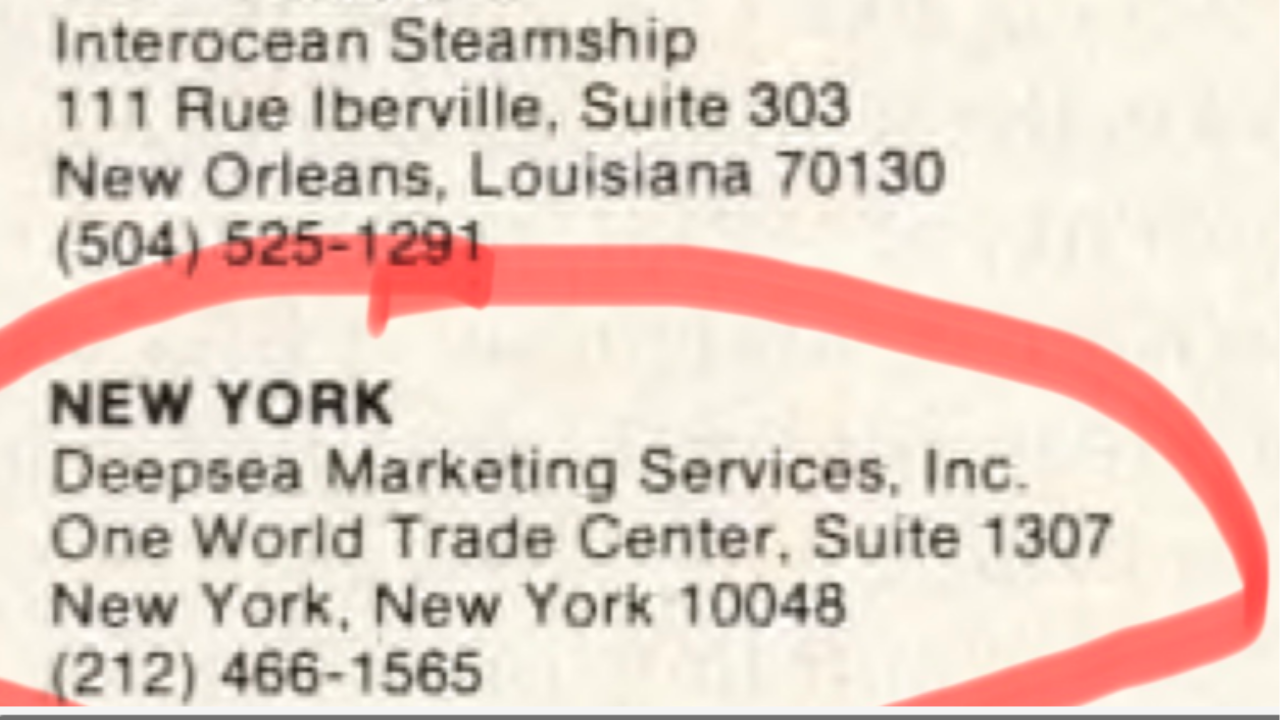
It was at the World Trade Center.
Tower 1.
The 13th floor.
I was initially shell-shocked by the ungodly 40-minute train commute from central New Jersey into lower Manhattan.
I went from college hangovers to harried businesspeople in suits. 😎
It was the summer of 1984. I listened to my Sony Walkman and the song "The Warrior" from Scandal.
The greatest lesson I learned from working at the World Trade Center is this:
🎯People-watching is priceless.
Why pay for entertainment when a slice of real life and stories are all around?
I'm glad there were no cell phones and tech distractions.
I quickly discovered the best part of the day was lunch! 🙌
I would sit outside and eat lunch at the fountains between Towers 1 and 2.
Tobin Plaza.
🔷Watching tourists take pictures with Kodak Instamatic film cameras.
🔷Seeing couriers on bicycles delivering who knows what to who knows who.
🔷Catching glimpses ...
7 Business and Communication Insights from Dolly Parton

The real deal.
Around the world, people continue to pay tribute to Dolly Parton's legacy.
What stands out about Dolly's life is her simplicity and lack of pretension.
Whatever she was doing—singing on stage, acting in a film, or giving a one-on-one interview—Dolly always seemed down-to-earth.
Here are 7 takeaways from her life that we can apply to business, communication, and our own lives:
🔷On showing up: It was no secret; Dolly often spoke about wearing wigs. Why pretend, she said? Although she had a public image, the woman was genuine.
🔷On relating to people: The 80-year-old legend made people feel seen. Whether singing to millions or talking to one person, she communicated with warmth and without pretense. Not every celebrity or leader can do this. Dolly was straightforward; she spoke plainly, and people listened.
🔷On curiosity: Dolly believed curiosity could change a life.
In 1995, she launched her "Imagination Library" in her home state of Tennessee. Children around the globe have rece...
Successful Leaders Own Their Communication

Underestimating clarity is dangerous in business.
Without clarity, there's confusion. ⬅️
The result is poor communication that causes assumptions, delays, and weakens trust.
🚩It's almost impossible to execute ideas when people are confused.
In A/E/C, unclear communication increases risk.
One thing I often hear from clients: “Everyone thought someone else handled it.”
This is not a business strategy.
Successful leaders own their communication. 💯
They model straightforward communication because they know their teams are watching.

Leaving an Executive Legacy in A/E/C

Every A/E/C firm has a few people who carry its legacy. It's like runners passing the Olympic torch.
In our industry, this is called knowledge transfer or “institutional instinct.”
👉Experienced executives know how to (subtly) read clients.
👉They know when a project is drifting.
👉They know what not to say in a tense meeting.
None of this is written down.
This knowledge doesn’t transfer automatically.
It’s certainly not part of onboarding.
Think about your first time driving. 🚗
You study first, but once you’re behind the wheel, the manual is irrelevant.
You have to experience the car actually moving. It's about trusting your instincts and reacting in a split-second decision.
As a growing number of senior executives retire this year, A/E/C firms without a structured knowledge-transfer system will feel the pinch.
This loss churns through project delivery, client trust, and revenue.
Here’s the truth: Decades of judgment are irreplaceable. 💰
You have the power and wherewithal to prepare the next generatio...
The Invisible Talent Drain in A/E/C
Many A/E/C firms point to recruiting as their main challenge.
But is that truly the core issue?
Here's the real issue: Retention suffers because expectations are unclear and development is fragmented. That’s what’s draining your talent.
The signals become obvious once you look more closely:
🚩New hires struggle to ramp up.
🚩Mid‑level staff feel stuck.
🚩Managers spend more time correcting than coaching.
My nephew and niece, 26 and 32, both started new jobs recently in completely different fields.
Each prefers to work independently. Both are very smart.
Each told me they've asked for help finding project info.
Each said their boss barked, "Find it yourself."
More than once.
This isn't leadership or coaching.
It isn't a culture that welcomes smart people.
This isn't about coddling younger staff; it's about coaching and knowledge transfer.
People leave jobs for clarity—a clear path, clear coaching, clear expectations—not just for higher pay.
People don’t quit hard work.
The Best Gift to Give this Holiday Season

The best gift of communication you can offer anyone is the gift of your attention.
It's great year-round.
🔷It costs nothing and requires no shopping.
🔷There’s no need for fancy wrapping.
Paying close attention requires deep listening skills—fully focusing on the speaker, listening not just to the words but also to tone, body language, and emotions.
You can’t genuinely understand someone else’s perspective if you miss a few words or sentences they are expressing to you.
Learn how to pay attention without distractions. This is priceless.
Focus on others and block out distractions—no phones, pings, or alerts.😮
Don't try "faking someone out" by acting like you're engaged when you're mentally drifting.
Forget the email that needs to be sent.
Forget that the car needs gas.
Forget about stopping at the store.
The truth is that people notice when you're "checked out." Don't kid yourself.
🎯The better way is to be more self-aware.
Exceptional communicators catch themselves qu...
Projects Stall When Communication is Weak

Operational delays rarely come from a lack of effort.
They come from professionals who were never taught how to communicate clearly under pressure, across roles, and with accountability.
That gap shows up here.
When I’m training top tier communicators in A/E/C, one pattern is consistent:
When communication skills lag, operational risk increases.
Here’s the truth: These gaps often go unnoticed until profit margins and credibility are already impacted.
What are leaders in your firm doing to reduce these risks?

How to Get Noticed by Top A/E/C Executives

Communication tip for aspiring construction PMs and leaders:
Knowing the project lingo is good.
📈Knowing the PROFIT lingo is when C-suite execs start listening.
Speak their language and watch your career path transform.
AI Is Only As Smart As Your Communication

Clarity is a beautiful thing.
Especially when tech staff are thinking through RFIs, field reports, and meeting agendas that cost A/E/C firms productivity and profits.
Yes, Artificial Intelligence can simplify complex data.
Still, AI tools only bring value when humans provide clear input and prompts.
➡️When prompts are vague or confusing, the info you get back will miss the mark.
The result?
Misunderstandings, cost overruns, and lost credibility.
Clear thinking = Clear Prompts
➡️Our Top Tier Communicator on-demand and live training programs give teams the tools to strengthen clarity, communication, and AI prompts.⬅️
Each of the 3 programs are under $1,000.
Individuals and firms can access today's tools to bridge communication gaps and deliver successful projects.
A New Look at Our Fast-Paced Lives with These 4 Words
If you're like me, there's not enough time in the day to get things done.
Busy, busy, busy.
Life is a fleeting moment.
The 4 words I just heard from Abraham Hicks have completely transformed how I spend every day.
One phrase can do the same for you.
Quit rushing and start living.
I share the 4 words in the video above. Take a look.

