
Susan Young's
Amplify Blog
Working at the World Trade Center: A Life Lesson
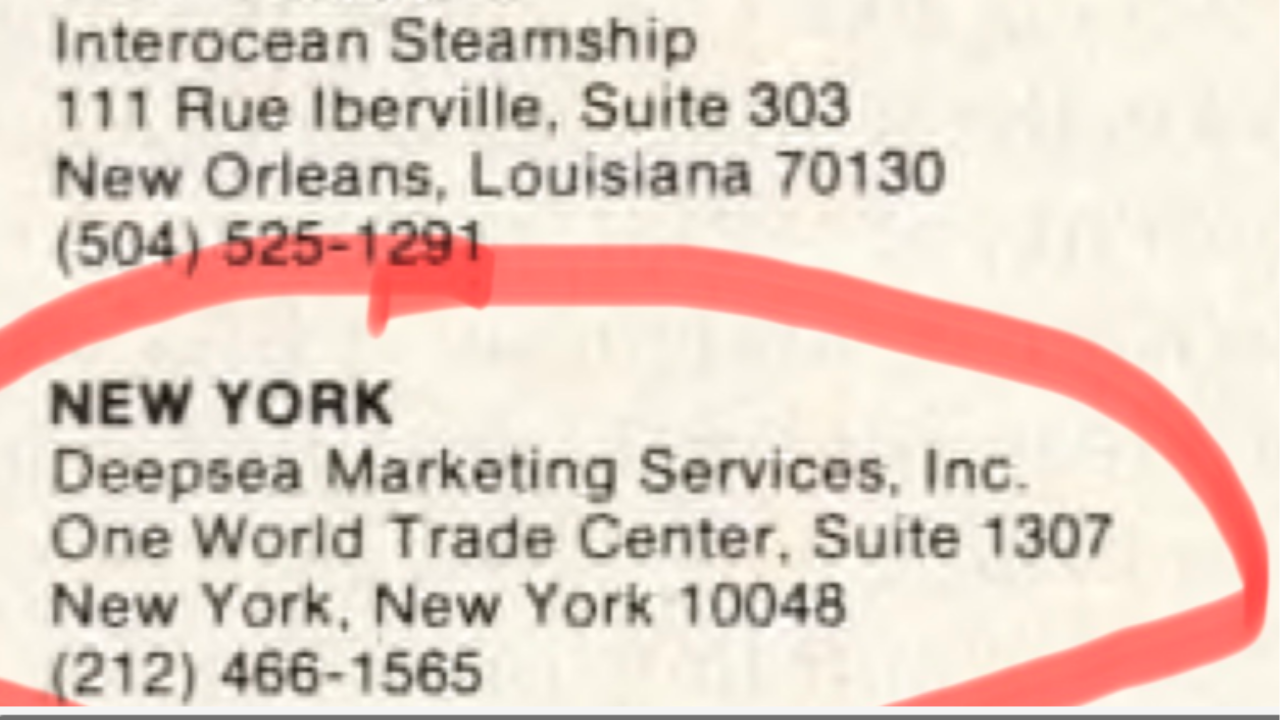
Your first real job.
They say you always remember your first.😍
I graduated from college and landed my first real job.
It was at the World Trade Center.
Tower 1.
The 13th floor.
I was initially shell-shocked by the ungodly 40-minute train commute from central New Jersey into lower Manhattan.
I went from college hangovers to harried businesspeople in suits. 😎
It was the summer of 1984. I listened to my Sony Walkman and the song "The Warrior" from Scandal.
The greatest lesson I learned from working at the World Trade Center is this:
🎯People-watching is priceless.
Why pay for entertainment when a slice of real life and stories are all around?
I'm glad there were no cell phones and tech distractions.
I quickly discovered the best part of the day was lunch! 🙌
I would sit outside and eat lunch at the fountains between Towers 1 and 2.
Tobin Plaza.
🔷Watching tourists take pictures with Kodak Instamatic film cameras.
🔷Seeing couriers on bicycles delivering who knows what to who knows who.
🔷Catching glimpses ...
How Are You Showing Up at Work Every Day?

Accountability.
It’s more than just keeping your word.
It’s about following through on what you promised.
The first step to being accountable is honoring your commitments.
The next step is about how you show up.💯
Do you just show up to meetings, or do you come ready to contribute, learn, and help others?
In business, simply showing up isn’t enough.
➡️Stakeholders don’t reward mediocrity, but they notice it.
Even though it’s summer and things may feel slower, I encourage you to find new energy and use this time to show up in a bigger, bolder way.
Try learning a new skill or signing up for a webinar.
Unsubscribe from newsletters you never read and start following content your leaders care about.
You could even look for a new mentor.
Hold yourself accountable not just for getting things done, but for doing them with purpose and intention.
That’s how you reach your true potential.🤗

The Golden 2-Step Process in Communication

I thought of you.
I picked up my phone and called you.
Whether you answered or I reached your voicemail, the first thing I said was:
I was thinking of you.😉
Human-to-human communication.
You have the power to make another person feel special and valued.
No texting.
No reason.
It’s just a simple two-step process based on our shared humanity and kindness.
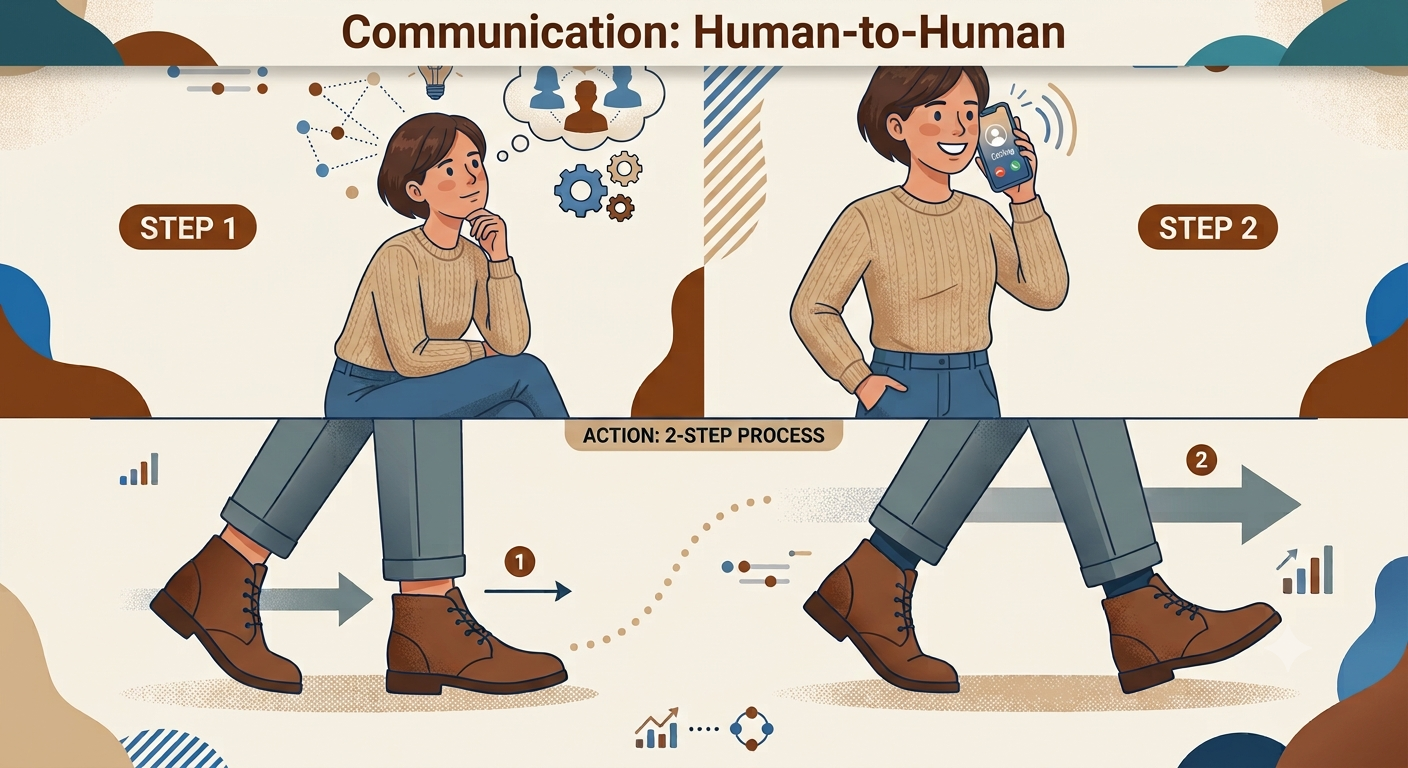
➡️Step 1. Think of someone.
➡️Step 2. Pick up the phone.
Here’s the truth:
A small gesture like this can brighten someone’s day.
It might even make your day better. You could find yourself smiling.
If you end up talking in real time, it doesn’t need to take long.
Even a few minutes are enough, no matter how busy you are.⌚
Put some positive energy into the world.
Don't overthink.
Don't complicate it.
Take action.
You got this.🤗
PS: This works in business and at home.
Why Smart Leaders Don't Waste the Summer Slowdown

Toes in the sand.
Summer can feel like a chance to slow down and take a break.
But the best leaders use this time to spot problems before they become costly.🎯
When schedules are hectic, it’s easy to miss communication gaps.
More meetings happen, decisions are delayed, processes become shortcuts, and people start making assumptions.
That’s what I love about summer: the slower pace creates space to reflect.
➡️This is a good moment to ask yourself: What will you change now?
• Are there meetings that no longer have a clear purpose?
• Where do decisions tend to get stuck?
• Is there important knowledge that only one person knows?
• Which conversations have been put off because everyone was too busy?
When things get busy, problems show up.😯
When things slow down, take the chance to fix them now.🧨
Leaders who use the summer to improve communication and decision-making often start the fall with more clarity, stronger momentum, and fewer surprises.
What is one problem you can start working on right now?
How Smart A/E/C Marketers Add Value to Their Firms

Predicting outcomes = impossible.
Looking for patterns and trends = invaluable to stakeholders. 📈
This was a key takeaway from a recent SMPS—Society for Marketing Professional Services - San Antonio chapter meeting.
New A/E/C marketers who want to grow their careers must know how to spot trends to help managers make informed decisions.
💯One of the presenters, Cleary Zimmerman's Joyce Watson, CPSM, encouraged emerging leaders to be curious and collaborative. I agree with Joyce and her co-presenter Audra Allen that these traits drive growth.
⚠️Guessing is very expensive in business.
The bottom line is knowing how to ask quality questions, listen deeply, and identify patterns that others miss.

Managing the Crisis and the Health Care Message: How Emory University Hospital Communicators Prepared for Ebola

The 2026 Ebola outbreak in the Democratic Republic of the Congo shows that infectious disease outbreaks demand more than medical expertise.
They require clear, timely, and credible communication.
Global health leaders are battling misinformation, public mistrust, and logistical challenges.
The following case study examines Emory University Hospital’s response to the 2014 Ebola outbreak.
The assessment reveals that those communication strategies and lessons remain relevant as public health leaders confront today's evolving crisis.
(Ghostwritten by Susan Young)
Being Boring is Inexcusable at Work

Forgettable.
That's what happens when you're boring at work.
This isn't about personality.
🥇It's about perception and influence.
🥇It’s about differentiating yourself and your firm.
Dull people are low-impact communicators who disengage stakeholders.
Decision-makers don't award bids to flat communicators that seem to lack momentum. ⚠️
Despite technical strength, you'll likely lose credibility—and work—if your communication is flat.
🎯Here's the truth: Prospects and clients equate engagement and clarity with influence and leadership.
I've spent 26 years teaching A/E/C leaders to be memorable in business development and client-facing meetings.
I teach them to share heartfelt, engaging stories and to be compelling and clear, so they connect deeply with others.
Being boring means being invisible, because you are not top of mind.😕
Take the initiative and start honing your communication skills now so people remember you.
Those who commit to continuous improvement and easily engage their audience stand out....
Passive-Aggressive Leadership is Quietly Sabotaging Your Bottom Line

Most A/E/C executives don't notice when leaders are being apathetic. You're often surrounded by it.
Across offices and jobsites, passive-aggressive communication is eroding trust, delaying approvals, and increasing costly mistakes.
😮Does this sound familiar?
“I guess that’s fine…” can bring approval delays.
Public praise and private undermining can lead to staff withholding critical project info.
Subtle gaslighting, like “That’s not what I said,” can cause frustration and confusion.
Here’s the impact:
🚩Project managers stop escalating risks
🚩Younger staff disengage
🚩Field-office tension increases
🚩Clients sense dysfunction
Let’s face it: Direct, accountable communication isn’t just a “soft skill.”
It’s operational risk management—and every missed conversation is a risk you can’t afford.
Ask yourself: Are you modeling the leadership your firm needs?
👉 Do your leaders address issues directly—or sideways?
👉 Is feedback clear and timely?
👉Are project conflicts resolved or buried?
Strong firms don’t toler...
Accountability Is Not a People Issue

When accountability breaks down, leaders often assume it’s a people issue.
But accountability is a structural outcome. ⬅️
It’s rooted in how roles, processes, and expectations are established across organizations.
Warning signs show up in your A/E/C firm, looking like:
👉Confusion about who owns what.
👉Work slipping through cracks.
👉Leaders stepping in to “fix” things.
👉Teams feel blamed instead of supported.
👉Repeated breakdowns in the same places.
Accountability isn’t enforced; it’s designed.
It’s the result of clear ownership, transparent processes, and proactive communication.
🎯Here's the truth: Real, sustainable accountability comes from intentional organizational design.
Course-correcting after the fact is not a sound business solution.
3 Things A/E/C Leaders Must Prioritize Before the New Year

I met yesterday with a leader of a national construction trade organization to discuss hot-button issues our industry faces as we head into 2026.
We weren't discussing tech skills.
➡️Instead, we were focusing on the critical need for the younger workforce to uplevel their interpersonal communication.
I imagine these takeaways will resonate with you:
- A/E/C's fragmented ecosystem must be improved to enhance job site safety, messaging, and knowledge transfer.
- Newer staff must become proficient in decision-making, problem-solving, and other critical thinking skills. Clarifying information and logical thought processes improve job site safety, project completion, and leadership development.
- Bi-directional knowledge in our multigenerational workforce is essential for continuous learning. Communication is not linear; rather, it is an ongoing process for all generations to embrace.
Here's the truth: Each of these points — along with cybersecurity — is a stark reminder to prioritize ...

