
Susan Young's
Amplify Blog
The Power is Not in Your Words
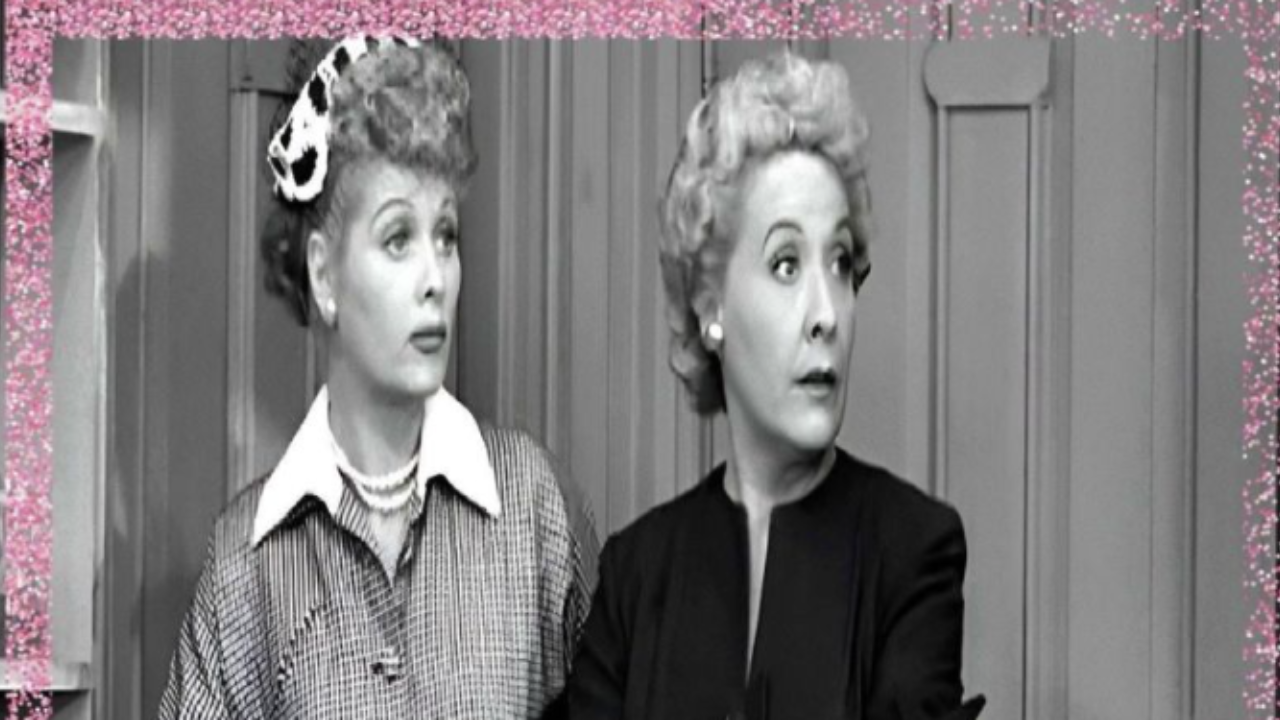
No words.
Our nonverbal communication is much more powerful than our spoken words.
Research from Nature-dot-com says that people don’t just listen to what we say.
They also interpret our facial expressions, body language, and vocal cues at the same time. 💯
You don’t have to say much because nonverbal cues and clues can substantially shape perceptions of emotion, credibility, and trust.
The bottom line: Be a people-watcher.
Pay attention to body language and physical energy. Equally important, be aware of your own facial expressions and gestures when interacting with others.
The Moments that Define Us

Defining moments.
My first memory of seeing the Statue of Liberty.
➡️In 1970, when I was in second grade in New Jersey, my class took a trip to the Statue of Liberty.
It was only a 30-minute drive from our cushy, middle-class neighborhood.
Back then, everyone brought metal lunch boxes to school.😯
But for this trip, our lunches were packed in brown paper bags instead.
My classmates and I sat at the base of the Statue and ate lunch, looking out over Liberty Island.
I finished most of my sandwich, walked to the rusted, weathered garbage can, and tossed my bag on top of the pile. 🗑️
A minute later, I saw a homeless man reach into the can and take my bag. He began eating what I had thrown away.
That night, I asked my parents why anyone would eat food from the garbage.
They answered me in just three sentences.
I cried.
And I never forgot that moment.
➡️The next year, in 1971, a classmate called me a dirty J*ew.
I was only 9 years old. 😢
➡️1976- I successfully lobbied the principal at my middle school for ...
3 Words You Need for Resilience and Success
Three words.
There are three words that sum up the key to success in anything and everything we do.
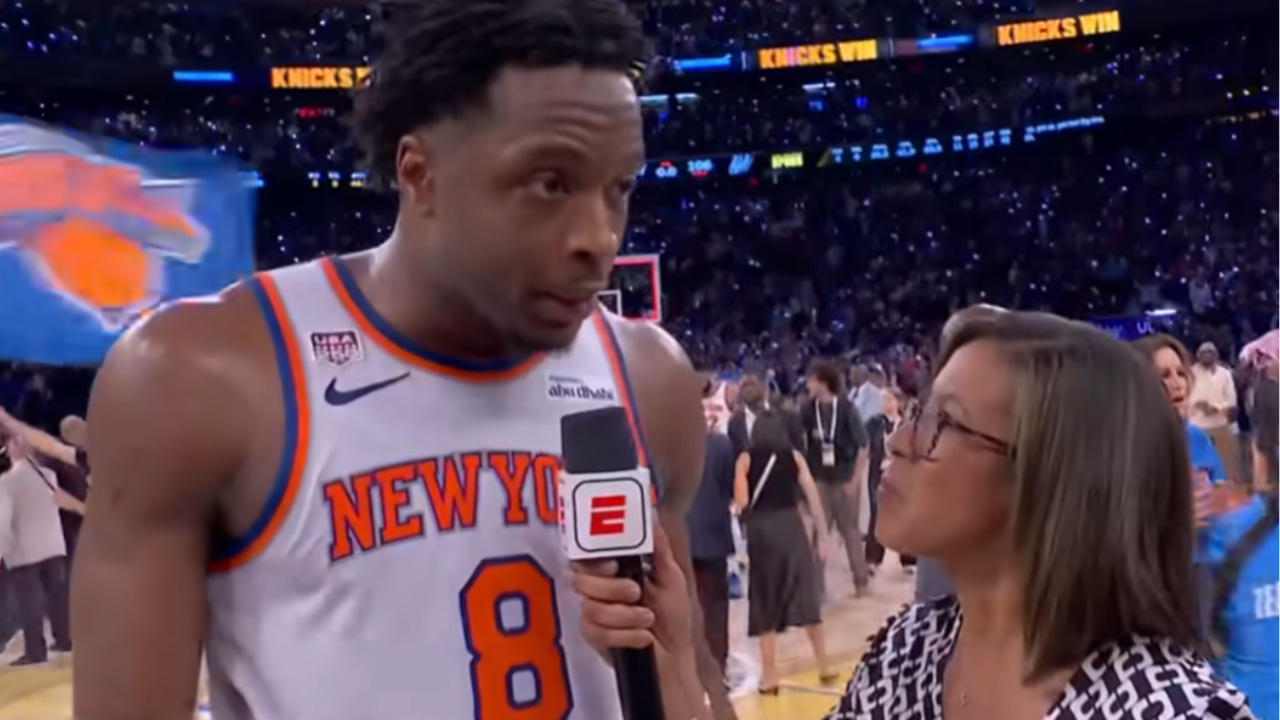
🏀These three words—a guiding phrase—were highlighted last night after the New York Knicks made the greatest comeback in NBA Finals history, edging past the San Antonio Spurs, 107-106.🏀
The Knicks' OG Anunoby scored the winning basket in the final two seconds, overcoming a 29-point deficit.
Thunderous cheers erupted as stunned Knicks fans celebrated at Madison Square Garden.
Within a minute, ESPN's Lisa Salters interviewed Anunoby about the comeback.
She asked how he and his teammates managed the victory and what he thought mid-game as the Spurs dominated.🥇
Anunoby revealed the three words that fueled their comeback: Stay with it.
He told Salters his team is resilient and never gives up. They stay with it and keep pushing.
In the span of a 90-second interview, Anunoby said "stay with it" several times.
It resonates with me as I've turned to this mantra for years. You can, too.
No matter the challeng...
Why Tech Savvy Professionals Must Embrace Marketing

Today, everyone is in marketing.
Most A/E/C professionals, however, don't see themselves as marketers, business developers, or salespeople.
Especially highly skilled technical people.
You might not have a degree in marketing or sales. It probably wasn't your original plan.😕
But technical professionals often need to scale back the tech talk that can confuse stakeholders and clients.
Most are interested in the end result, not the process. They want to see the WOW—the finished product.⬅️
Project managers, superintendents, and estimators need a mindset shift that embraces marketing as part of their roles.
An example I heard years ago will likely resonate with you: Sell the painted room, not the paint.
🎯Here’s the bottom line: Those who focus on the WOW, not the HOW, connect and engage with stakeholders.
This is your ticket to increasing trust and profits.
The Real Foundation of A/E/C Communication

Executives in A/E/C who know that negotiation is an integral part of business development and marketing presentations see their hit rates explode.
🚩Too many firms focus on soft skills while overlooking the art and science of negotiating with stakeholders.
Your technical teams may not have been taught BD and negotiation in classrooms.
It's a learned skill that can be developed.🎯
Are negotiation skills in your communication toolbox?
Passive-Aggressive Leadership is Quietly Sabotaging Your Bottom Line

Most A/E/C executives don't notice when leaders are being apathetic. You're often surrounded by it.
Across offices and jobsites, passive-aggressive communication is eroding trust, delaying approvals, and increasing costly mistakes.
😮Does this sound familiar?
“I guess that’s fine…” can bring approval delays.
Public praise and private undermining can lead to staff withholding critical project info.
Subtle gaslighting, like “That’s not what I said,” can cause frustration and confusion.
Here’s the impact:
🚩Project managers stop escalating risks
🚩Younger staff disengage
🚩Field-office tension increases
🚩Clients sense dysfunction
Let’s face it: Direct, accountable communication isn’t just a “soft skill.”
It’s operational risk management—and every missed conversation is a risk you can’t afford.
Ask yourself: Are you modeling the leadership your firm needs?
👉 Do your leaders address issues directly—or sideways?
👉 Is feedback clear and timely?
👉Are project conflicts resolved or buried?
Strong firms don’t toler...
Accountability Is Not a People Issue

When accountability breaks down, leaders often assume it’s a people issue.
But accountability is a structural outcome. ⬅️
It’s rooted in how roles, processes, and expectations are established across organizations.
Warning signs show up in your A/E/C firm, looking like:
👉Confusion about who owns what.
👉Work slipping through cracks.
👉Leaders stepping in to “fix” things.
👉Teams feel blamed instead of supported.
👉Repeated breakdowns in the same places.
Accountability isn’t enforced; it’s designed.
It’s the result of clear ownership, transparent processes, and proactive communication.
🎯Here's the truth: Real, sustainable accountability comes from intentional organizational design.
Course-correcting after the fact is not a sound business solution.
The Moment Technical Leaders Lose Leverage

I’m seeing a recurring leadership risk inside A/E/C firms right now.
Strong project managers get promoted; their technical performance is consistent, but something quietly breaks down in high-stakes conversations with clients, principals, or internal teams. 🚩
The risks are higher, and expectations shift from expertise to influence—subtle but critical.
Leaders sense it early.
The hesitation, the over-explaining, and the missed cues are warning signs.
These moments erode trust and can affect a leader’s credibility—even when intentions are good.😮
The challenge isn’t confidence or personality.
➡️The real issue is conversational judgment. It’s a skill that’s rarely measured until it’s already had an impact on results.
Typically, it's a negative impact that results in frustration and lost bids.
🔷This month, I’m opening a small number of private Leadership Conversation Audits for firm leaders who want clarity around a specific emerging or newly promoted leader—and what to correct, coach, or recalibr...
Why Strong Project Managers Struggle in Executive Conversations

I’m seeing a recurring leadership risk inside A/E/C firms right now.
Strong project managers get promoted; their technical performance is consistent, but something quietly breaks down in high-stakes conversations with clients, principals, or internal teams. 🚩
The risks are higher, and expectations shift from expertise to influence—subtle but critical.
Leaders sense it early.
The hesitation, the over-explaining, and the missed cues are warning signs.
These moments erode trust and can affect a leader’s credibility—even when intentions are good.😮
The challenge isn’t confidence or personality.
➡️The real issue is conversational judgment. It’s a skill that’s rarely measured until it’s already had an impact on results.
Typically, it's a negative impact that results in frustration and lost bids.
🔷This month, I’m opening a small number of private Leadership Conversation Audits for firm leaders who want clarity around a specific emerging or newly promoted leader—and what to correct, coach, or recalibr...
The Client Experience Gap

Client challenges don't typically come from poor intentions or weak talent.
Problems on projects come from inconsistent processes that leave teams guessing in high‑stakes moments.
This is the client experience gap that shows up as miscommunication:
🚩Different PMs delivering wildly different experiences
🚩Missed details that should be automatic
🚩Clients feel like they need to manage the team
🚩Rework caused by unclear handoffs
🚩Leaders stepping in to “save” meetings
Your clients don’t want heroics.
They want consistency.
🎯Consistency comes from communication-based systems.
The completion of successful A/E/C projects requires strong foundations.
Not just effort.

