
Susan Young's
Amplify Blog
The Power is Not in Your Words

No words.
Our nonverbal communication is much more powerful than our spoken words.
Research from Nature-dot-com says that people don’t just listen to what we say.
They also interpret our facial expressions, body language, and vocal cues at the same time. 💯
You don’t have to say much because nonverbal cues and clues can substantially shape perceptions of emotion, credibility, and trust.
The bottom line: Be a people-watcher.
Pay attention to body language and physical energy. Equally important, be aware of your own facial expressions and gestures when interacting with others.
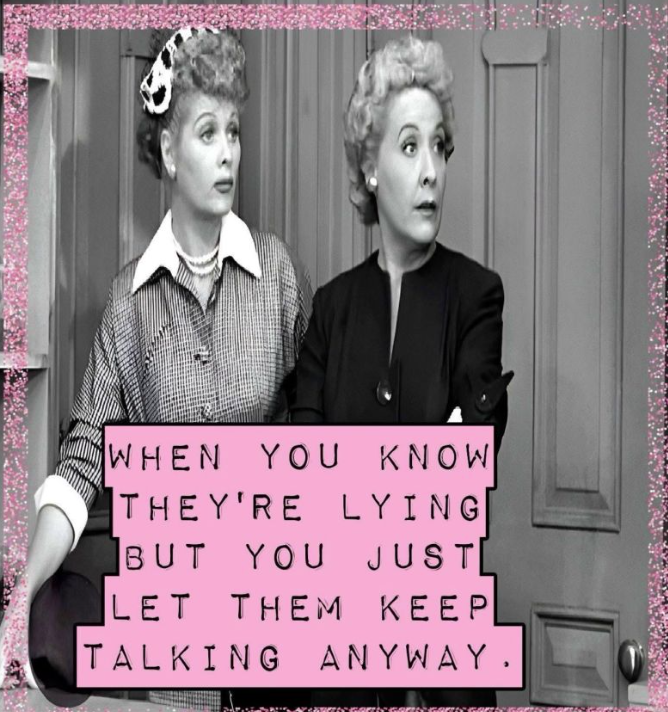
How Are You Showing Up at Work Every Day?

Accountability.
It’s more than just keeping your word.
It’s about following through on what you promised.
The first step to being accountable is honoring your commitments.
The next step is about how you show up.💯
Do you just show up to meetings, or do you come ready to contribute, learn, and help others?
In business, simply showing up isn’t enough.
➡️Stakeholders don’t reward mediocrity, but they notice it.
Even though it’s summer and things may feel slower, I encourage you to find new energy and use this time to show up in a bigger, bolder way.
Try learning a new skill or signing up for a webinar.
Unsubscribe from newsletters you never read and start following content your leaders care about.
You could even look for a new mentor.
Hold yourself accountable not just for getting things done, but for doing them with purpose and intention.
That’s how you reach your true potential.🤗

Why Strong Project Managers Struggle in Executive Conversations

I’m seeing a recurring leadership risk inside A/E/C firms right now.
Strong project managers get promoted; their technical performance is consistent, but something quietly breaks down in high-stakes conversations with clients, principals, or internal teams. 🚩
The risks are higher, and expectations shift from expertise to influence—subtle but critical.
Leaders sense it early.
The hesitation, the over-explaining, and the missed cues are warning signs.
These moments erode trust and can affect a leader’s credibility—even when intentions are good.😮
The challenge isn’t confidence or personality.
➡️The real issue is conversational judgment. It’s a skill that’s rarely measured until it’s already had an impact on results.
Typically, it's a negative impact that results in frustration and lost bids.
🔷This month, I’m opening a small number of private Leadership Conversation Audits for firm leaders who want clarity around a specific emerging or newly promoted leader—and what to correct, coach, or recalibr...
Leaning into Leadership in 2026

The best project leaders don’t bark directives or lean on authority.
They use coaching as a core leadership tool—creating clarity, not confusion. 🎯
Combining coaching and leadership improves handoffs, documentation, and multi-generational teams communication.
Imagine your PMs, supers, and estimators sparking curiousity with open-ended questions.
Engagement uncovers blind spots and helps close feedback loops.
It also bolsters morale and impacts the talent pool. 📈
Strong, empathetic leaders draw ideas out of their teams.
They avoid unnecessary directives, invite perspectives, and make people feel valued.
🚩AI may streamline tasks, but it can’t fix confidence and unclear communication.
To develop stronger communicators in 2026, Top Tier Communicator training is the place to begin.
Wrap up 2025 with intention so your staff kicks off the new year ahead of the curve. Drop me a message here and we'll talk.
Why Sharing Clean Data Is Essential in A/E/C

Sharing clean data and communicating effectively comes down to hard-wired brain science.
You may have noticed that technically skilled folks in A/E/C are all about visuals, from blueprints to data visualization.
The key to improving interpersonal communication is to weave visual language into your speaking and writing.
For example, visual communicators may say:
➡️I get the picture.
➡️Let's look at this from a new perspective.
➡️We can view the data on the app.
You'll form deeper connections, reduce miscommunication, and build trust when you understand the way others process language. (There are two additional communication preferences, or modalities.)
Knowing someone else's preferred modality transforms relationships — and profits.
Imagine how much easier it is when you can apply this in meetings and on job sites.
4 Key Elements to Engaging People

Engaging presentations.
They don't open with data or slides of your firm's history and ribbon cuttings.
Engaging presentations get people:
✅Thinking
✅Feeling
✅Reacting
✅Involved
Remember this every time your team prepares for shortlisted interviews, client-facing meetings, or workshop presentations.
Go for emotional connections over numbers.
The data will follow.
🎯Your team can access to repeatable skills that win more bids
Click to learn more about our proven Top Tier Communicator on-demand training.
Project Managers Who Sound Like Leaders in Client Meetings

Tongue-tied spells trouble in business.
Every A/E/C professional knows the moment when technical skills aren't enough in client meetings.
You're in a shortlisted presentation, and you or a team member are trying to lead a tough conversation.
You look around and see frustration, fidgeting, and faces that scream trouble.😮
You know, at the moment, communication is the differentiator that wins pursuits.
🎯That's precisely why I created the Top Tier Communicator online training program.
It's a flexible communication and leadership class built for you (or your team).
Learn today's skills to build confidence, communicate with clarity, and lead effectively — without leaving the job site or office.
Here's the truth: In our industry, communication isn't a "soft skill." It's a revenue skill.
AI Is Only As Smart As Your Communication

Clarity is a beautiful thing.
Especially when tech staff are thinking through RFIs, field reports, and meeting agendas that cost A/E/C firms productivity and profits.
Yes, Artificial Intelligence can simplify complex data.
Still, AI tools only bring value when humans provide clear input and prompts.
➡️When prompts are vague or confusing, the info you get back will miss the mark.
The result?
Misunderstandings, cost overruns, and lost credibility.
Clear thinking = Clear Prompts
➡️Our Top Tier Communicator on-demand and live training programs give teams the tools to strengthen clarity, communication, and AI prompts.⬅️
Each of the 3 programs are under $1,000.
Individuals and firms can access today's tools to bridge communication gaps and deliver successful projects.
What To Do When Employees Show Up To Collect a Paycheck

Collecting a paycheck.
If you've had a few jobs in your life, this phrase has likely crossed your mind.
Or fell off your tongue.
Going through the motions at work is frustrating and a waste of talent.
Leaders: Do you have employees who show up disengaged, collecting a paycheck rather than being eager to learn and contribute?
This disconnect isn't about people being lazy.
🚩They may feel like their voice doesn't matter.
🚩They may not believe their work is having an impact.
A/E/C leaders must know that lighting a spark to re-engage people is rooted in curiosity.
Ask team members what's getting in the way.
Ask them if they are clear on expectations.
More than 90% of the emerging leaders in my online training classes say they're unsure how their daily work fits into the bigger picture of the firm.
It's the 30,000-foot view and the 3,000-foot view.
Without clarity, people show up to collect paychecks.
Clarity brings a sense of purpose.
🎯And it's an opportunity for manag...
A New Look at Our Fast-Paced Lives with These 4 Words
If you're like me, there's not enough time in the day to get things done.
Busy, busy, busy.
Life is a fleeting moment.
The 4 words I just heard from Abraham Hicks have completely transformed how I spend every day.
One phrase can do the same for you.
Quit rushing and start living.
I share the 4 words in the video above. Take a look.

