
Susan Young's
Amplify Blog
The Power is Not in Your Words
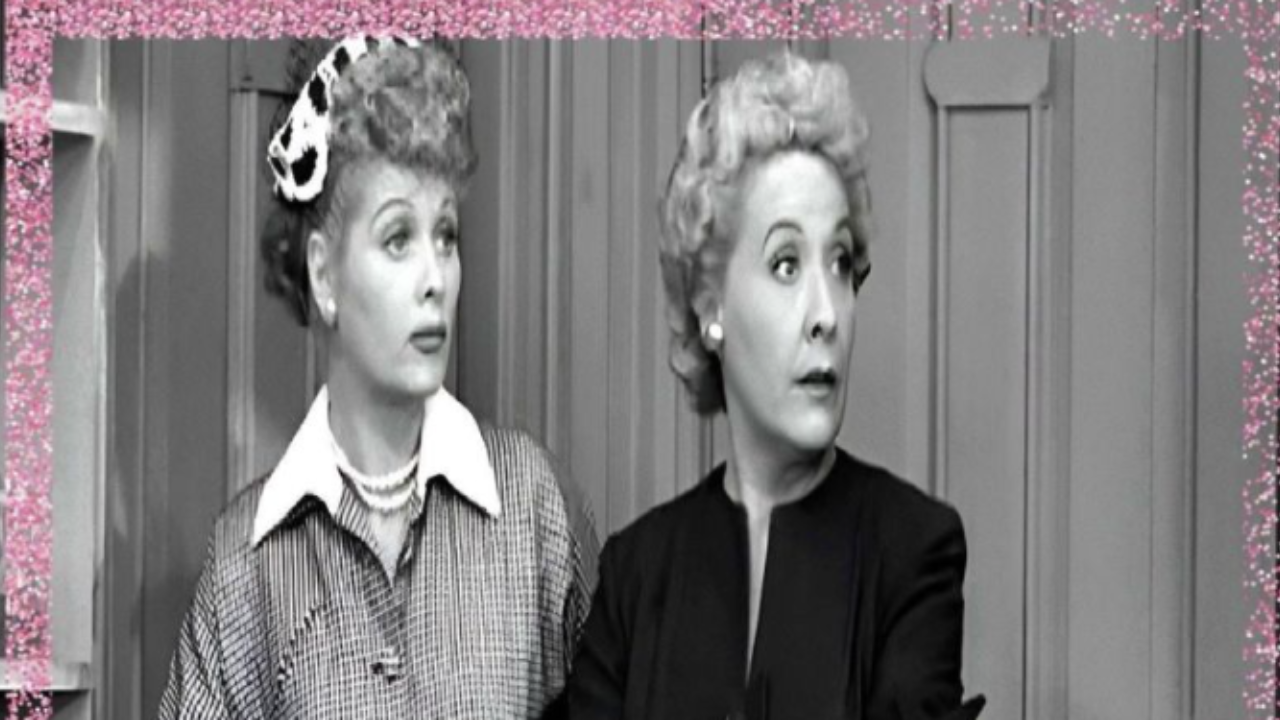
No words.
Our nonverbal communication is much more powerful than our spoken words.
Research from Nature-dot-com says that people don’t just listen to what we say.
They also interpret our facial expressions, body language, and vocal cues at the same time. 💯
You don’t have to say much because nonverbal cues and clues can substantially shape perceptions of emotion, credibility, and trust.
The bottom line: Be a people-watcher.
Pay attention to body language and physical energy. Equally important, be aware of your own facial expressions and gestures when interacting with others.
How Are You Showing Up At Work?

Executive presence isn't about showing up to a client-facing meeting.
It's about being a valued and trusted advisor who creatively communicates meaningful insights and proactive solutions.👈
People who attend high-stakes meetings and add IMMENSE value easily gain trust, respect, and new business.
What value do you bring to teams and clients?

How Construction Pros Nail Their Communication

I’m super grateful to welcome a new coaching client who found me through the communication course I developed and teach in partnership with Procore.
After just 3 private sessions, he’s already seeing life-changing results (his words, not mine). 💯
Results like this make my heart sing.
This is the most rewarding part of what I do:
Connecting with A/E/C professionals who commit to continuous learning and growth.
🎯That mindset builds the foundation for stronger leadership, better collaboration, and long-term growth—professionally and personally.
Training Only Pays Off When It's Applied

In the last six months, I've seen three doctors for minor issues.
Three doctors. Three different minor ailments.
All three suggested over-the-counter treatments, and I agreed with their advice.
One treatment involves using a small machine several times a week. Even with insurance, I still pay $50 out of pocket each month.💰
Despite paying for the device every month, I still haven’t used it.
Maybe I’m just too lazy to set it up. I could easily use it while watching videos or TV, and the treatment doesn’t hurt at all.
The box just sits there collecting dust.
I keep it out where I can see it to remind myself, but even then, I keep paying $50 a month without using it.
I’m sharing this because the same thing often happens with training programs.
🎯People who actually use what they learn in training see real results and do well.
Others just let the training materials collect dust.
These employees end up complaining about delays, coworkers, or subcontractors. They stay stuck, waiting for things to improve...
The Risks of Hesitant Leaders in A/E/C

Three months into the year, a clear pattern has emerged in A/E/C communication.
Projects stall, decisions are delayed, and leaders have to step in to resolve issues.
Your mid-level managers are technically skilled, but they lack confidence when making decisions under pressure. This is known as decision confidence.
🚩They tend to overanalyze.
🚩They wait for buy-in.
🚩They escalate issues too early or after delays.
Executives recognize that hesitation among mid-level managers negatively affects timelines, profit margins, and the firm's credibility.
Here’s the bottom line:
➡️While your firm may prioritize technical training, decision-making should not rely on trial-and-error.
This approach doesn’t develop leadership; it increases risk.
If your managers can’t make decisions with incomplete information, communicate tradeoffs clearly, or support their position with clients, there is a breakdown in decision-making.
As I see time and time again, the core challenge is communication.🎯
...Your Communication Breakdowns Are Structural Risks

Engineers mitigate structural risk and executives must mitigate communication risk.
As we observe National Engineers Week, we recognize the engineers who keep our buildings safe and our infrastructure sustainable.
👉Engineers are disciplined to model risk, calculate load paths, and solve complex problems with precision.
In the executive sessions I facilitate, there's a common thread:
Many A/E/C firms don't approach communication with the same discipline.
🚩Proposals are rushed
🚩Scopes are unclear
🚩Client expectations are undocumented
Internal messages get diluted as they make their way through departments and staff.
The result: margin erosion, rework, staff frustration, and lost opportunities.
➡️Here’s the bottom line:
You wouldn’t approve of a structural system without calculations. Why rely on subpar communication systems built on assumptions and outdated legacy habits?
"This is the way we’ve always done it" is a dangerous legacy mindset.
Let’s look at this through a fresh lens:
Engineers ...
Disappointed? These 9 Words Will Get You Back on Track

If you’ve ever veered off the success path and detoured into “Pity City,” there’s a powerful, yet simple phrase to get back on track.
➡️Nine short words. That’s it.
When I’m in the middle of a struggle, rough patch, or “woe is me” moment, I mumble these words to myself.
Sometimes out loud. Sometimes in my head.
🔷Yep, I turn to a 9-word phrase that always helps me refocus and reframe.
These words remind me of the fortitude, power, and strength I have to persevere.
Many women, especially those in construction, navigate a litany of challenges that test their physical, emotional, and mental states every single day.
👷♀️Our observance of Women's History Month reminds us of the pioneering women who have shaped our industry. And those who continue to work and lead in the contruction field. 🥇
Regardless of your gender, my nine words…stay with it, stay with it, stay with it…reminds us of our collective purpose and why we do what we do.
You got this!
The Real Foundation of A/E/C Communication

Executives in A/E/C who know that negotiation is an integral part of business development and marketing presentations see their hit rates explode.
🚩Too many firms focus on soft skills while overlooking the art and science of negotiating with stakeholders.
Your technical teams may not have been taught BD and negotiation in classrooms.
It's a learned skill that can be developed.🎯
Are negotiation skills in your communication toolbox?
Passive-Aggressive Leadership is Quietly Sabotaging Your Bottom Line

Most A/E/C executives don't notice when leaders are being apathetic. You're often surrounded by it.
Across offices and jobsites, passive-aggressive communication is eroding trust, delaying approvals, and increasing costly mistakes.
😮Does this sound familiar?
“I guess that’s fine…” can bring approval delays.
Public praise and private undermining can lead to staff withholding critical project info.
Subtle gaslighting, like “That’s not what I said,” can cause frustration and confusion.
Here’s the impact:
🚩Project managers stop escalating risks
🚩Younger staff disengage
🚩Field-office tension increases
🚩Clients sense dysfunction
Let’s face it: Direct, accountable communication isn’t just a “soft skill.”
It’s operational risk management—and every missed conversation is a risk you can’t afford.
Ask yourself: Are you modeling the leadership your firm needs?
👉 Do your leaders address issues directly—or sideways?
👉 Is feedback clear and timely?
👉Are project conflicts resolved or buried?
Strong firms don’t toler...
Accountability Is Not a People Issue

When accountability breaks down, leaders often assume it’s a people issue.
But accountability is a structural outcome. ⬅️
It’s rooted in how roles, processes, and expectations are established across organizations.
Warning signs show up in your A/E/C firm, looking like:
👉Confusion about who owns what.
👉Work slipping through cracks.
👉Leaders stepping in to “fix” things.
👉Teams feel blamed instead of supported.
👉Repeated breakdowns in the same places.
Accountability isn’t enforced; it’s designed.
It’s the result of clear ownership, transparent processes, and proactive communication.
🎯Here's the truth: Real, sustainable accountability comes from intentional organizational design.
Course-correcting after the fact is not a sound business solution.

