
Susan Young's
Amplify Blog
The Power is Not in Your Words
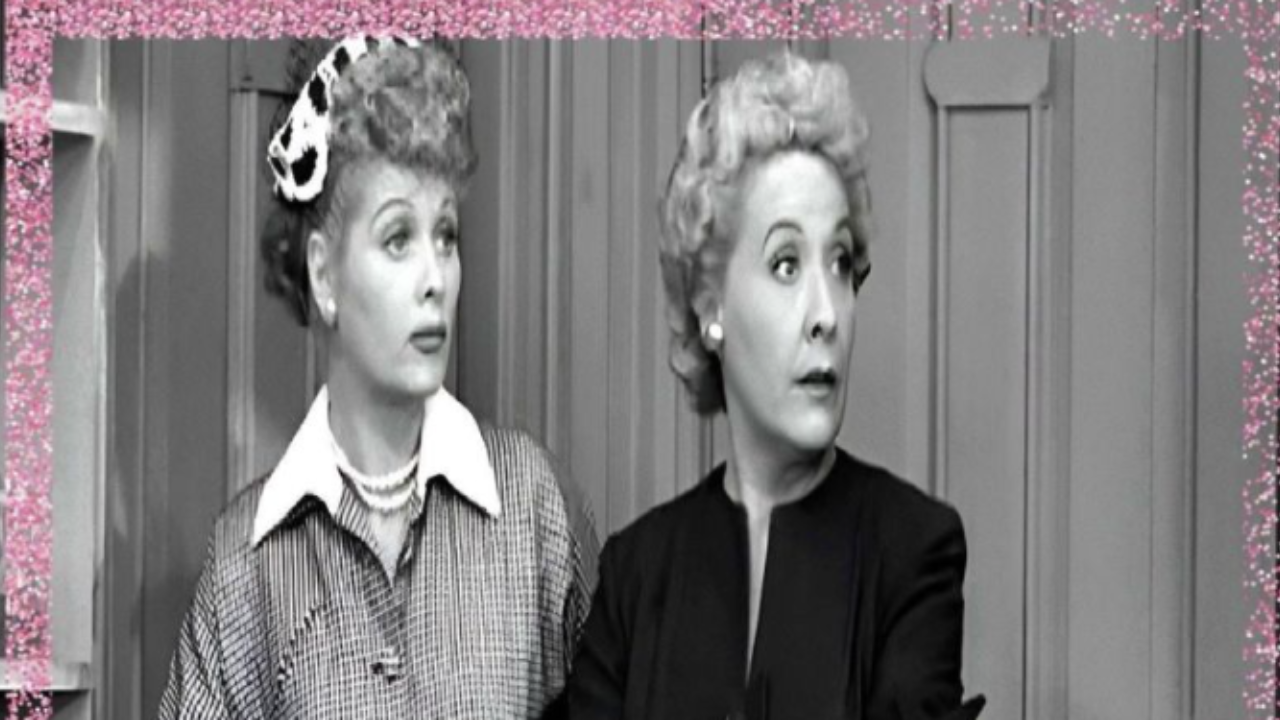
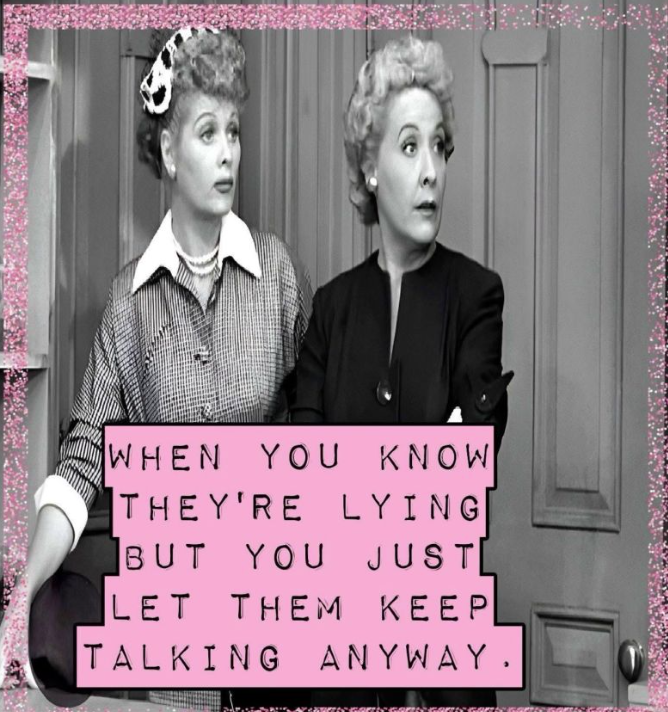
No words.
Our nonverbal communication is much more powerful than our spoken words.
Research from Nature-dot-com says that people don’t just listen to what we say.
They also interpret our facial expressions, body language, and vocal cues at the same time. 💯
You don’t have to say much because nonverbal cues and clues can substantially shape perceptions of emotion, credibility, and trust.
The bottom line: Be a people-watcher.
Pay attention to body language and physical energy. Equally important, be aware of your own facial expressions and gestures when interacting with others.
How Are You Showing Up at Work Every Day?

Accountability.
It’s more than just keeping your word.
It’s about following through on what you promised.
The first step to being accountable is honoring your commitments.
The next step is about how you show up.💯
Do you just show up to meetings, or do you come ready to contribute, learn, and help others?
In business, simply showing up isn’t enough.
➡️Stakeholders don’t reward mediocrity, but they notice it.
Even though it’s summer and things may feel slower, I encourage you to find new energy and use this time to show up in a bigger, bolder way.
Try learning a new skill or signing up for a webinar.
Unsubscribe from newsletters you never read and start following content your leaders care about.
You could even look for a new mentor.
Hold yourself accountable not just for getting things done, but for doing them with purpose and intention.
That’s how you reach your true potential.🤗
Why Smart Leaders Don't Waste the Summer Slowdown

Toes in the sand.
Summer can feel like a chance to slow down and take a break.
But the best leaders use this time to spot problems before they become costly.🎯
When schedules are hectic, it’s easy to miss communication gaps.
More meetings happen, decisions are delayed, processes become shortcuts, and people start making assumptions.
That’s what I love about summer: the slower pace creates space to reflect.
➡️This is a good moment to ask yourself: What will you change now?
• Are there meetings that no longer have a clear purpose?
• Where do decisions tend to get stuck?
• Is there important knowledge that only one person knows?
• Which conversations have been put off because everyone was too busy?
When things get busy, problems show up.😯
When things slow down, take the chance to fix them now.🧨
Leaders who use the summer to improve communication and decision-making often start the fall with more clarity, stronger momentum, and fewer surprises.
What is one problem you can start working on right now?
The Moments that Define Us

Defining moments.
My first memory of seeing the Statue of Liberty.
➡️In 1970, when I was in second grade in New Jersey, my class took a trip to the Statue of Liberty.
It was only a 30-minute drive from our cushy, middle-class neighborhood.
Back then, everyone brought metal lunch boxes to school.😯
But for this trip, our lunches were packed in brown paper bags instead.
My classmates and I sat at the base of the Statue and ate lunch, looking out over Liberty Island.
I finished most of my sandwich, walked to the rusted, weathered garbage can, and tossed my bag on top of the pile. 🗑️
A minute later, I saw a homeless man reach into the can and take my bag. He began eating what I had thrown away.
That night, I asked my parents why anyone would eat food from the garbage.
They answered me in just three sentences.
I cried.
And I never forgot that moment.
➡️The next year, in 1971, a classmate called me a dirty J*ew.
I was only 9 years old. 😢
➡️1976- I successfully lobbied the principal at my middle school for ...
Before Investing in Another AI Tool, Do This

Accelerating confusion.
The chaotic pace of change with AI can feel overwhelming.
From proposals and documentation to enterprise risk and conflict resolution, firms that strategically embrace AI have a significant competitive advantage.
➡️As these changes accelerate into 2026, A/E/C leaders faces a key question:
Is your firm's communication and decision-making infrastructure keeping pace with your technology investments?
High-performing firms don't simply use more tools.
They're establishing clear communication standards, governance protocols, accountability, and measurable business outcomes.💯
Only six months remain to align leadership priorities in 2026.
Before the end of the year, A/E/C executives should prioritize:
✅Meaningful performance measures that connect AI investments to business results—not just technology adoption.
✅Consistent communication standards that keep AI-generated information accurate and client-ready.
✅Clear expectations that help employees use AI confidently, responsibly, ...
How Are You Showing Up At Work?

Executive presence isn't about showing up to a client-facing meeting.
It's about being a valued and trusted advisor who creatively communicates meaningful insights and proactive solutions.👈
People who attend high-stakes meetings and add IMMENSE value easily gain trust, respect, and new business.
What value do you bring to teams and clients?

3 Words You Need for Resilience and Success
Three words.
There are three words that sum up the key to success in anything and everything we do.
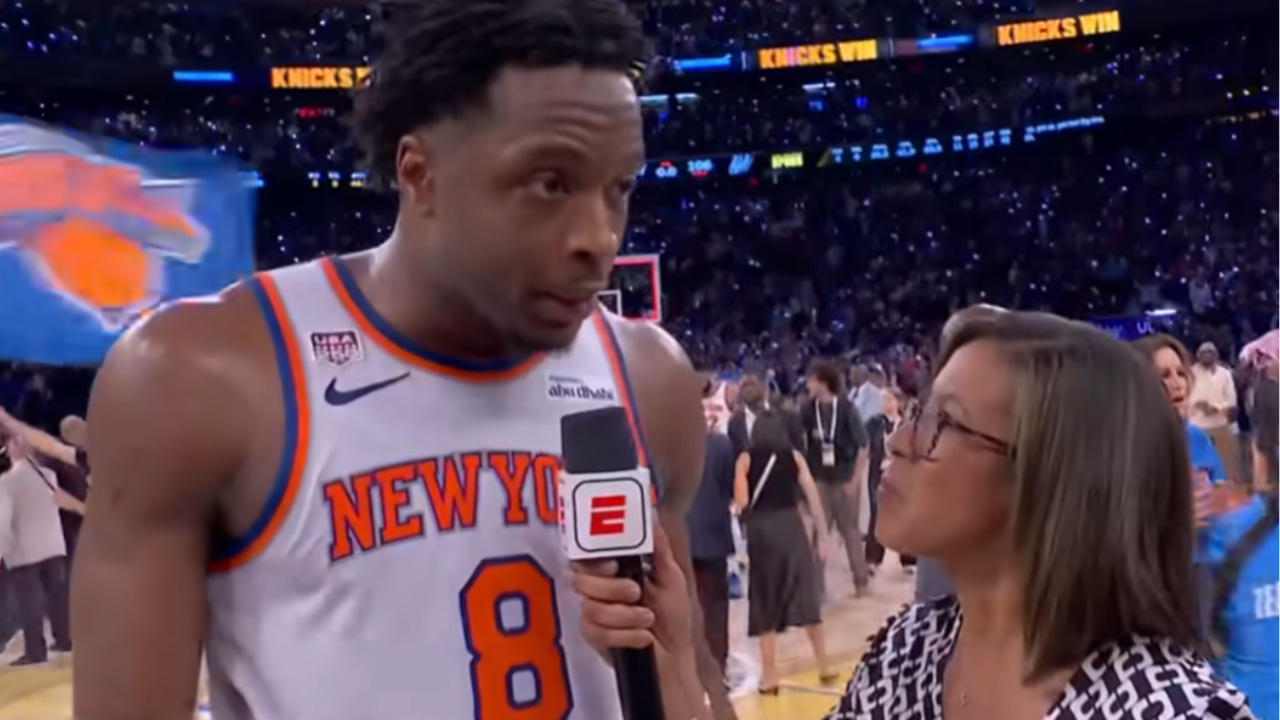
🏀These three words—a guiding phrase—were highlighted last night after the New York Knicks made the greatest comeback in NBA Finals history, edging past the San Antonio Spurs, 107-106.🏀
The Knicks' OG Anunoby scored the winning basket in the final two seconds, overcoming a 29-point deficit.
Thunderous cheers erupted as stunned Knicks fans celebrated at Madison Square Garden.
Within a minute, ESPN's Lisa Salters interviewed Anunoby about the comeback.
She asked how he and his teammates managed the victory and what he thought mid-game as the Spurs dominated.🥇
Anunoby revealed the three words that fueled their comeback: Stay with it.
He told Salters his team is resilient and never gives up. They stay with it and keep pushing.
In the span of a 90-second interview, Anunoby said "stay with it" several times.
It resonates with me as I've turned to this mantra for years. You can, too.
No matter the challeng...
How Smart A/E/C Marketers Add Value to Their Firms

Predicting outcomes = impossible.
Looking for patterns and trends = invaluable to stakeholders. 📈
This was a key takeaway from a recent SMPS—Society for Marketing Professional Services - San Antonio chapter meeting.
New A/E/C marketers who want to grow their careers must know how to spot trends to help managers make informed decisions.
💯One of the presenters, Cleary Zimmerman's Joyce Watson, CPSM, encouraged emerging leaders to be curious and collaborative. I agree with Joyce and her co-presenter Audra Allen that these traits drive growth.
⚠️Guessing is very expensive in business.
The bottom line is knowing how to ask quality questions, listen deeply, and identify patterns that others miss.

How Construction Pros Nail Their Communication

I’m super grateful to welcome a new coaching client who found me through the communication course I developed and teach in partnership with Procore.
After just 3 private sessions, he’s already seeing life-changing results (his words, not mine). 💯
Results like this make my heart sing.
This is the most rewarding part of what I do:
Connecting with A/E/C professionals who commit to continuous learning and growth.
🎯That mindset builds the foundation for stronger leadership, better collaboration, and long-term growth—professionally and personally.
Why Tech Savvy Professionals Must Embrace Marketing

Today, everyone is in marketing.
Most A/E/C professionals, however, don't see themselves as marketers, business developers, or salespeople.
Especially highly skilled technical people.
You might not have a degree in marketing or sales. It probably wasn't your original plan.😕
But technical professionals often need to scale back the tech talk that can confuse stakeholders and clients.
Most are interested in the end result, not the process. They want to see the WOW—the finished product.⬅️
Project managers, superintendents, and estimators need a mindset shift that embraces marketing as part of their roles.
An example I heard years ago will likely resonate with you: Sell the painted room, not the paint.
🎯Here’s the bottom line: Those who focus on the WOW, not the HOW, connect and engage with stakeholders.
This is your ticket to increasing trust and profits.

